A building falls down. Now what?

In the United States, the first course of action
is to figure out what went wrong. Was the collapse due to arson? A natural
disaster? Or was the building designed poorly?
As a structural engineer, I will assume a lot of liability
for any project I work on. It’s my responsibility to ensure that buildings stay
safe during natural disasters. Every time someone enters a building I’ve
designed, they entrust that I did my job right. Each building can be viewed as
a promise that it will be a safe place to work, live, or play.
The scary thing is, safety cannot be guaranteed.
What happens when a tornado strikes at the same time as an earthquake? It’s
possible. And there’s no way to figure out the exact strength of a beam or
column without breaking that beam or column in the process.

One answer would be to design every building so that they never fail, no matter what. But, as I mentioned before, there is a point where making columns bigger doesn’t actually make the building safer. The only thing accomplished by making buildings indestructible would be making them unaffordable.
So, torn between the two masters of safety and
economy, engineers had to make tough choices. We had to decide how much risk
the average person is willing to take, in every circumstance. For example, most
buildings are designed to survive a fire only long enough to guarantee everyone
in the building gets out. After that, the building has to be destroyed and a
new one has to be built. Another example, we want our buildings to hold up
during a 100 mph wind, but don’t expect them to survive 200 mph winds.
Engineers discussed these risks, how much they endangered buildings, and how much risk society was willing to take. These engineers also discussed statistical theory, and used that as much as possible to create their book of guidelines. The end result was the American Society of Civil Engineer's building code. The code is updated every year.
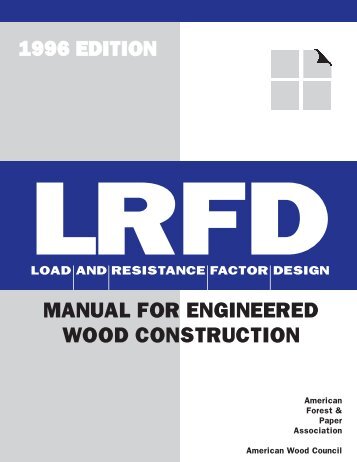
Inside the code, given forces, such as wind or earthquake, are multiplied by a safety factor. The riskier the force is, the larger the
safety factor. The smaller the safety factor, the
more willing we are to accept that risk. Inversely, the strengths of building
materials are also multiplied by safety factors. These factors also vary,
depending on how suddenly or drastically the beam or column fails.
Most of my academic courses have been focused on
the countless ways for a building to fail, and how to design with each type of
failure in mind. All of these methods have one thing in common: use the
building code. It is my ethical obligation as an engineer to insure that the
projects I work on obey this legal code. It is also my responsibility to look beyond
the code to ensure my buildings won’t fail.

This is what it means to be an ethical engineer.

No comments:
Post a Comment